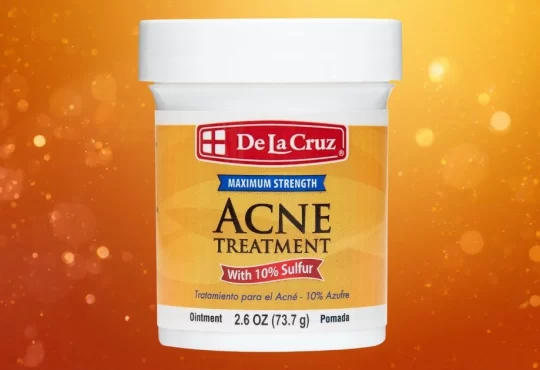


Choosing the right acne treatment can feel overwhelming, especially when store shelves are filled with products containing different active ingredients. Among the most common options, benzoyl peroxide and salicylic acid continue to stand out because they target acne in different ways. Understanding how each ingredient works makes it much easier to build a skincare routine that delivers noticeable results.
The debate over Benzoyl Peroxide vs Salicylic Acid often comes down to one simple question: which ingredient matches a person’s specific type of acne? While both have decades of clinical use, dermatologists and skincare experts continue to recommend them for different concerns. Reviews and updated guidance also highlight the importance of selecting the right concentration instead of assuming stronger products always work better.
Neither ingredient is universally better. One excels at reducing inflamed pimples caused by acne-causing bacteria, while the other shines when clogged pores, blackheads, and whiteheads are the main concern. For some people, the best solution may even involve using both ingredients in a carefully planned routine.
Understanding What Causes Acne
Acne develops when pores become clogged with excess oil, dead skin cells, and debris. Once the pore is blocked, bacteria naturally found on the skin can multiply, leading to redness, swelling, and painful pimples. Hormonal fluctuations, genetics, stress, and certain skincare products may also contribute to breakouts.
Because acne has multiple causes, no single ingredient can solve every problem. Some products focus on killing acne-causing bacteria, while others remove dead skin cells and prevent pores from becoming blocked in the first place. This explains why two people with acne may achieve very different results using the same product.
Modern dermatology also emphasizes protecting the skin barrier while treating acne. Overusing strong ingredients can strip natural moisture, leading to irritation, excessive dryness, and even additional breakouts. Recent reviews encourage starting with lower strengths and gradually increasing usage as the skin adapts.
What Is Benzoyl Peroxide?
Benzoyl peroxide has remained one of the most widely recommended over-the-counter acne ingredients for decades. It works by releasing oxygen into the pores, creating an environment where acne-causing bacteria struggle to survive. At the same time, it helps reduce inflammation and supports the removal of excess oil and dead skin cells.
Unlike antibiotics, this ingredient does not contribute to bacterial resistance, making it a valuable long-term treatment option for many people. Dermatologists frequently recommend lower concentrations, such as 2.5% or 5%, because they often deliver similar benefits while causing less irritation than stronger formulas.
It is commonly found in:
✨Cleansers
✨Spot treatments
✨Leave-on gels
✨Creams
✨Body washes
Popular products include:
What Is Salicylic Acid?
Salicylic acid is a type of beta hydroxy acid (BHA) that helps exfoliate the skin and clear clogged pores. Unlike ingredients that work mainly on the skin’s surface, it is oil-soluble, allowing it to travel inside pores where excess sebum and dead skin cells accumulate.
This deep-cleansing action makes salicylic acid especially effective for blackheads, whiteheads, enlarged pores, and mild acne. Regular use can also improve overall skin texture by gently exfoliating the surface.
Instead of targeting bacteria directly, salicylic acid prevents future clogs from forming. This makes it an excellent option for people whose acne is mostly caused by congestion rather than inflamed pimples.
Common products include:
✨CeraVe SA Smoothing Cleanser
✨Paula’s Choice Skin Perfecting 2% BHA Liquid Exfoliant
✨The Ordinary Salicylic Acid 2% Solution
✨Neutrogena Oil-Free Acne Wash
✨La Roche-Posay Effaclar Medicated Gel Cleanser
Benzoyl Peroxide Vs Salicylic Acid: How They Compare
Although both ingredients help reduce acne, they solve different problems.
Experts generally agree that inflamed acne responds better to antibacterial treatment, while clogged pores improve more consistently with exfoliating ingredients.
Which Ingredient Works Faster?
Many people notice inflamed pimples shrinking more quickly with antibacterial treatments because bacteria are reduced almost immediately after application.
Salicylic acid usually delivers gradual improvements. Instead of rapidly shrinking large pimples, it steadily clears blocked pores, preventing new blemishes from developing over several weeks.
Visible improvement often depends on consistency. Missing applications or switching products too frequently can delay results, regardless of the ingredient used. Dermatologists continue to recommend giving most acne treatments several weeks before deciding whether they are effective.
Which Is Better for Different Types of Acne?
No single acne treatment works for everyone. The best choice depends on the type of blemishes, the amount of oil the skin produces, and how sensitive the skin is to active ingredients. Understanding these differences can prevent unnecessary irritation and improve long-term results.
While both ingredients are effective, they target different stages of acne development. One works best after acne-causing bacteria begin to multiply, while the other focuses on preventing clogged pores before they become inflamed.
Best for Blackheads
Blackheads form when excess oil and dead skin cells become trapped inside pores. The surface remains open, allowing the trapped material to oxidize and turn dark.
Salicylic acid is generally the better option because it penetrates oily pores and dissolves the buildup responsible for blackheads. Regular use can also help minimize the appearance of enlarged pores by keeping them clear over time.
Best for Whiteheads
Whiteheads develop when clogged pores remain closed beneath the skin’s surface. They are usually small but can become inflamed if bacteria begin to grow inside the pore.
Salicylic acid is often recommended as the first choice because it helps remove the debris causing the blockage. Consistent exfoliation also reduces the likelihood of new whiteheads appearing.
Best for Red, Inflamed Pimples
Red, swollen pimples often harbor a high concentration of acne-causing bacteria and are inflamed. These breakouts are usually painful and may take longer to heal without targeted treatment.
This is where benzoyl peroxide has a clear advantage. By reducing bacteria and calming inflammation, it often shortens the life of inflammatory acne lesions.
Best for Cystic Acne
Cystic acne develops much deeper beneath the skin and often causes painful nodules that may leave scars.
While over-the-counter products can help mild cases, severe cystic acne usually requires prescription treatment. Dermatologists may recommend combining topical ingredients with prescription retinoids, oral antibiotics, hormonal therapy, or isotretinoin, depending on the severity of the condition.
Best for Body Acne
Acne on the back, shoulders, and chest is common because these areas contain many oil glands.
Body washes containing benzoyl peroxide are widely recommended since they can treat large areas efficiently. Leaving the cleanser on the skin for 1 to 2 minutes before rinsing may improve its effectiveness.
Choosing Based on Skin Type
Selecting products based on skin type often yields better results than following trends or choosing the highest concentration available.
Oily Skin
People with oily skin usually produce excess sebum throughout the day, increasing the likelihood of clogged pores.
Salicylic acid works particularly well because it dissolves oil inside pores while providing gentle exfoliation. Many people with oily skin also tolerate regular use better than individuals with dry or sensitive skin.
Dry Skin
Dry skin requires extra care because acne treatments can worsen tightness and flaking.
Lower-strength benzoyl peroxide products may still be appropriate, but they should be paired with a fragrance-free moisturizer containing ingredients such as ceramides, glycerin, or hyaluronic acid. Applying moisturizer after treatment can help reduce irritation without worsening acne.
Combination Skin
Combination skin often includes an oily T-zone with drier cheeks.
Many dermatologists recommend using salicylic acid cleansers across the entire face while reserving benzoyl peroxide spot treatments for individual pimples. This approach treats breakouts without unnecessarily drying unaffected areas.
Sensitive Skin
Sensitive skin benefits from a gradual approach.
Instead of applying active ingredients every day, starting two or three nights each week allows the skin barrier time to adjust. Choosing products without alcohol or added fragrance can further reduce irritation.
Can You Use Both Together?
One of the biggest misconceptions is that people must choose only one ingredient.
In reality, many dermatologists recommend using both ingredients when done carefully. Since they target different causes of acne, they may complement each other rather than compete.
Several routines have become increasingly popular:
Another option is to use a salicylic acid cleanser followed by a targeted benzoyl peroxide spot treatment only where active pimples appear.
The key is avoiding excessive use during the first few weeks. Applying multiple strong products at once may weaken the skin barrier and increase redness instead of improving acne.
Common Mistakes to Avoid
Even highly effective ingredients can disappoint when used incorrectly. Many treatment failures result from application errors rather than the ingredients themselves.
Some of the most common mistakes include:
✨Using multiple acne products simultaneously on the first day
✨Applying treatment more often than directed
✨Skipping moisturizer because the skin feels oily
✨Forgetting sunscreen during the day
✨Picking or squeezing pimples
✨Switching products after only a few days
✨Using scrubs alongside strong acne treatments
Patience is also important. Most acne treatments require consistent use before meaningful improvement becomes visible.
How Long Does It Take to See Results?
Acne treatments rarely produce overnight changes.
People using salicylic acid often notice smoother skin and fewer clogged pores within several weeks, while inflamed breakouts may continue improving gradually over a longer period.
Products containing benzoyl peroxide may reduce active pimples more quickly, although preventing future breakouts still requires ongoing use.
Temporary dryness, mild peeling, or slight redness during the first few weeks can occur as the skin adjusts. A healthcare professional should evaluate severe burning, blistering, or persistent irritation.
Popular Products Worth Considering
Consumers now have more options than ever, ranging from budget-friendly drugstore products to dermatologist-developed skincare.
Some well-known choices include:
Choosing the right product depends on skin type, acne severity, and tolerance rather than popularity alone. Starting with lower concentrations and introducing only one new product at a time makes it easier to identify what works while reducing the risk of irritation.
Possible Side Effects and How to Reduce Them
Every acne treatment can cause side effects, especially during the first few weeks of use. The good news is that most reactions are temporary and can often be managed by adjusting how often products are applied or by improving the overall skincare routine.
Products containing benzoyl peroxide are more likely to cause dryness, peeling, redness, and a tight feeling, particularly when higher concentrations are used. Another well-known drawback is that the ingredient can bleach towels, pillowcases, and clothing. Allowing the product to dry completely before getting dressed or going to bed can help prevent accidental fabric discoloration.
Salicylic acid is generally well tolerated, but excessive use may cause dryness, flaking, or irritation. These effects are more common when it is combined with multiple exfoliating products or when used several times a day.
Simple habits can make acne treatments much easier to tolerate:
✨Start with applications every other day.
✨Use a gentle, fragrance-free cleanser.
✨Apply a non-comedogenic moisturizer after treatment.
✨Wear a broad-spectrum sunscreen with SPF 30 or higher every morning.
✨Avoid harsh scrubs or alcohol-based toners while the skin adjusts.
If severe burning, swelling, blistering, or an allergic reaction develops, stop using the product and seek medical advice.
Ingredients That Pair Well With Acne Treatments
Acne treatments do not have to work alone. Many skincare ingredients complement them by reducing irritation, strengthening the skin barrier, or improving hydration.
One of the most recommended companions is niacinamide. It helps calm redness, supports the skin barrier, and may reduce excess oil production. Because of its gentle nature, niacinamide fits easily into routines that include either acne-fighting ingredient.
Hyaluronic acid is another excellent addition. Since acne treatments can dry the skin, a hydrating serum containing hyaluronic acid helps maintain moisture without making the skin feel greasy.
Ceramides also play an important role. These naturally occurring lipids help repair the skin barrier, making cleansers and moisturizers containing ceramides a smart choice for anyone experiencing dryness.
Ingredients That Require Extra Caution
Although many skincare ingredients work well together, combining several powerful actives too quickly may overwhelm the skin.
For example, prescription-strength retinoids, strong exfoliating acids, and high-strength acne treatments may increase irritation when layered incorrectly. Some dermatologists recommend alternating active ingredients on different evenings rather than applying everything in the same routine.
Vitamin C can also present a challenge depending on the formulation and skin sensitivity. Many people choose to apply vitamin C in the morning and acne treatments in the evening to minimize irritation while still enjoying the benefits of both products.
Rather than building a complicated routine all at once, introducing one active ingredient every few weeks allows the skin to adapt gradually. It makes it easier to identify the source of any irritation.
Lifestyle Habits That Can Help Reduce Breakouts
Skincare is only one piece of acne management. Everyday habits may also influence how often breakouts occur and how quickly they heal.
Although no single food has been proven to cause acne in everyone, some studies continue to suggest that diets high in refined carbohydrates or certain dairy products may worsen breakouts in susceptible individuals. Paying attention to personal triggers may be more helpful than following highly restrictive diets.
Good daily habits include:
✨Washing the face after excessive sweating.
✨Removing makeup before going to bed.
✨Cleaning makeup brushes regularly.
✨Changing pillowcases every few days.
✨Avoiding touching the face throughout the day.
✨Using non-comedogenic skincare and makeup products.
✨Managing stress through regular exercise, sleep, or relaxation techniques.
Getting enough sleep and maintaining a consistent skincare routine often produce better long-term results than constantly switching products in search of a quick fix.
When to See a Dermatologist
Over-the-counter treatments work well for many cases of mild to moderate acne, but they are not the answer for everyone.
A dermatologist should be consulted if acne:
✨Leaves scars or dark marks.
✨Becomes painful or cystic.
✨Covers large areas of the face or body.
✨Does not improve after several months of consistent treatment.
✨Causes emotional distress or affects confidence.
Professional treatment options may include prescription retinoids, topical antibiotics, hormonal medications, oral antibiotics, laser treatments, light therapies, or isotretinoin, depending on the severity and underlying cause of the acne.
Early treatment is especially important for acne that has a high risk of permanent scarring.
Benzoyl Peroxide Vs Salicylic Acid: Final Comparison
The choice between these two ingredients ultimately depends on the type of acne being treated rather than on which ingredient is considered stronger.
For many people, these ingredients are not competitors. They solve different problems. Used correctly, they can even become part of the same skincare routine under the guidance of a dermatologist or healthcare professional.
Making the Right Choice for Clearer Skin
When comparing Benzoyl Peroxide vs Salicylic Acid, there is no universal winner. Each ingredient addresses acne differently, making the right choice dependent on skin type, acne severity, and the kinds of blemishes being treated.
People dealing with red, swollen pimples often benefit more from benzoyl peroxide, while those struggling with blackheads, whiteheads, and clogged pores may see better results with salicylic acid. Some individuals achieve the best outcome by incorporating both into a balanced routine that includes a gentle cleanser, moisturizer, and daily sunscreen.
Consistency remains the most important factor. Introducing products gradually, avoiding overuse, and allowing enough time for improvement can make a significant difference. When acne becomes severe, painful, or begins to scar, seeking guidance from a dermatologist can help identify more advanced treatment options and create a personalized plan for healthier, clearer skin.